History
Three centuries in pink
Jaipur was drawn on paper before it was built — a planned capital that grew into the Pink City.
How it began
A city drawn before it was built
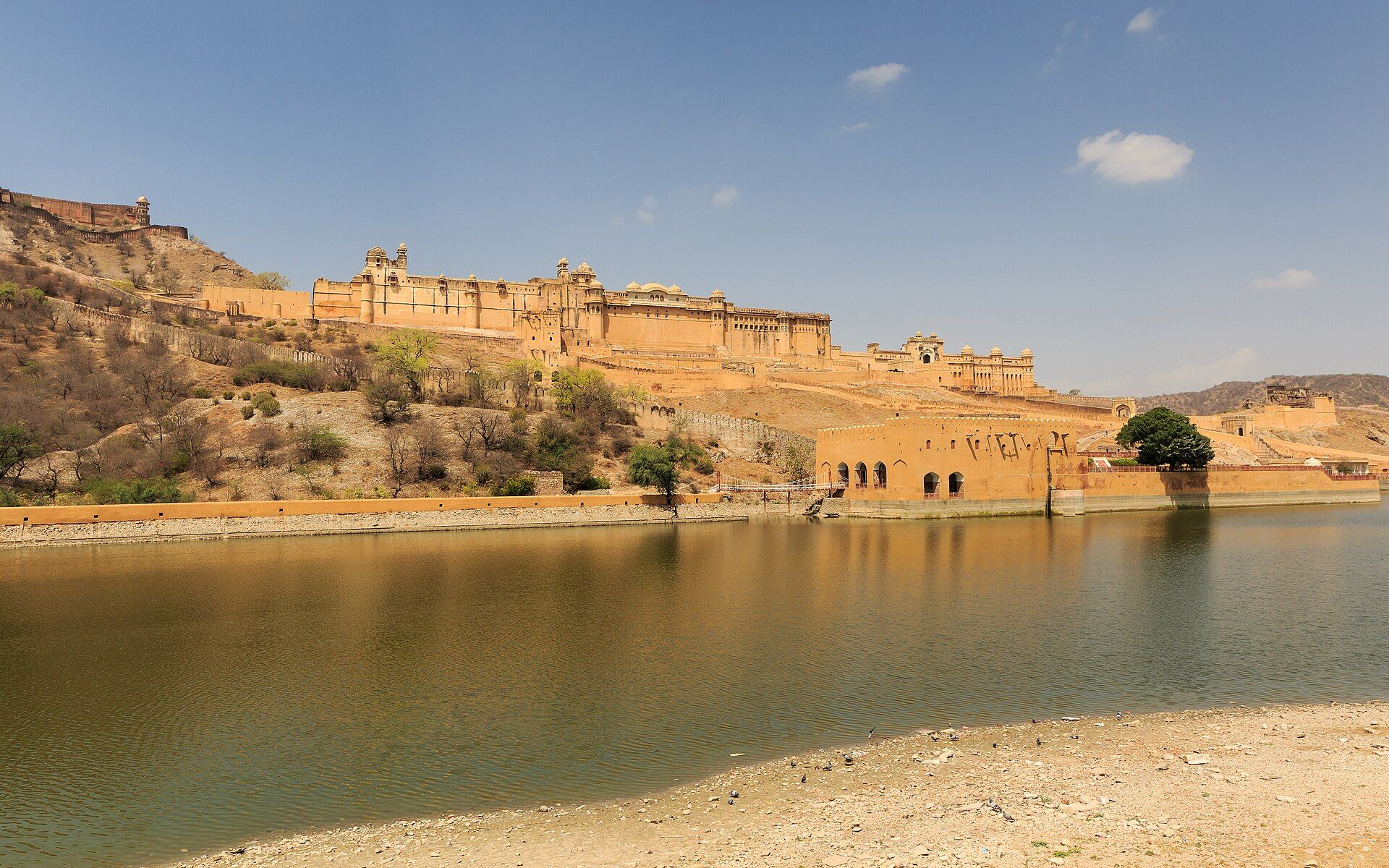
By the early 1700s, the old capital of Amber was crowded and short of water. Maharaja Sawai Jai Singh II — soldier, astronomer and builder — set out to create a new capital worthy of his ambitions.
With his chief architect, Vidyadhar Bhattacharya, he laid the city on a grid of nine squares, its streets and bazaars aligned to the principles of Vastu Shastra. Wide, straight roads ran between gates, and every trade had its own quarter. It was one of the first fully planned cities in India.
The observatory at its heart — Jantar Mantar — came from the same mind: a king who wanted his city ordered by the stars as much as by its walls.
A short timeline
From 1727 to today
The city is founded
Sawai Jai Singh II lays out Jaipur on a nine-square grid and moves his court here from Amber.
Jantar Mantar completed
The king's open-air observatory — the world's largest stone sundial among its instruments — is finished.
The Palace of Winds
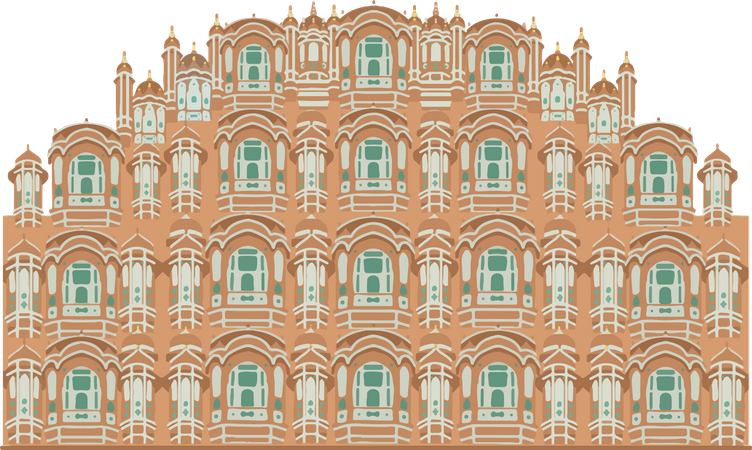
Sawai Pratap Singh builds the Hawa Mahal, its 953 windows looking down on the street below.
The city turns pink
To welcome the Prince of Wales, the old city is washed in rose — and the colour stays, giving Jaipur its name.
A World Heritage observatory
Jantar Mantar is named a UNESCO World Heritage site, one of the most complete observatories of its age.
The people behind it
Three names to know
The founder
Sawai Jai Singh II
King, soldier and astronomer, who planned the city and built its observatory.
The planner
Vidyadhar Bhattacharya
The Bengali architect who drew the nine-square city and its gates.
The colour
Pink, by royal order
A single wash of rose for a royal visit, kept for three centuries.
Keep exploring